Chapter 1: Chapter 1
Back to Library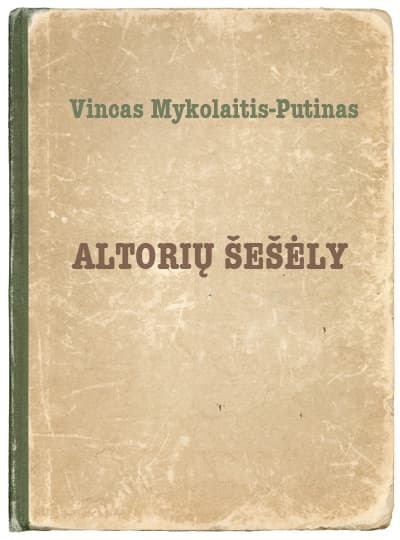 Read Chapter Summaries
Altorių šešėly
Synopsis, chapters, characters, and book details.
80 chapters1933lt
Summary•EnglishSynopsis
The whole plot in a few paragraphs.
Liudas Vasaris enters a strict Lithuanian seminary, where the relentless routine, oppressive hierarchy and early visions of a mysterious woman in white spark a deepening crisis between his clerical aspirations and a yearning for personal freedom. Amidst heated cultural disputes, clandestine societies, and fraught friendships—particularly with the cynical senior student Variokas and the seductive baroness Rainakienė—Vasaris wrestles with forbidden love for the parish girl Liucė, writes poetry, and repeatedly questions the sincerity of his vows. After a series of pivotal events—including his subdeacon ordination, a humiliating confession, a scandal‑laden encounter with the baroness, and the death of Liucė’s son—he ultimately renounces priestly duties, marries the American poet Auksė, and redirects his energy toward a literary career while serving briefly as a gymnasium director. The novel follows his oscillation between spiritual doubt, artistic ambition, and political turbulence in interwar Lithuania, culminating in his public resignation, the tragic discovery of Liucė’s death, and his final attempts to reconcile his fragmented identity through memoir and drama. In the closing frame, an older narrator uncovers Vasaris’s autobiographical manuscript, reflecting on the lingering regrets of a life lived between sacred obligation and secular creation.
Bibliographic Details
Details from the uploaded book file.
Primary Author
Vincas Mykolaitis-Putinas
Source Title
Altorių šešėly
Publisher
Not available
Language
lt
Summary Language
English
Published Date
1933
Published Year
1933
Rights
Not available
Contributors
Vincas Mykolaitis-Putinas (Author)
Identifiers
No identifiers provided.
Description
No bibliographic description provided.
Chapter Summary Pages
Chapter 2: Chapter 2
Chapter 3: Chapter 3
Chapter 4: Chapter 4
Chapter 5: Chapter 5
Chapter 6: Chapter 6
Chapter 7: Chapter 7
Chapter 8: Chapter 8
Chapter 9: Chapter 9
Chapter 10: Chapter 10
Chapter 11: Chapter 11
Chapter 12: Chapter 12
Chapter 13: Chapter 13
Chapter 14: Chapter 14
Chapter 15: Chapter 15
Chapter 16: Chapter 16
Chapter 17: Chapter 17
Chapter 18: Chapter 18
Chapter 19: Chapter 19
Chapter 20: Chapter 20
Chapter 21: Chapter 21
Chapter 22: Chapter 22
Chapter 23: Chapter 23
Chapter 24: Chapter 24
Chapter 25: Chapter 25
Chapter 26: Chapter 26
Chapter 27: Chapter 27
Chapter 28: Chapter 28
Chapter 29: Chapter 29
Chapter 30: Chapter 30
Chapter 31: Chapter 31
Chapter 32: Chapter 32
Chapter 33: Chapter 33
Chapter 34: Chapter 34
Chapter 35: Chapter 35
Chapter 36: Chapter 36
Chapter 37: Chapter 37
Chapter 38: Chapter 38
Chapter 39: Chapter 39
Chapter 40: Chapter 40
Chapter 41: Chapter 41
Chapter 42: Chapter 42
Chapter 43: Chapter 43
Chapter 44: Chapter 44
Chapter 45: Chapter 45
Chapter 46: Chapter 46
Chapter 47: Chapter 47
Chapter 48: Chapter 48
Chapter 49: Chapter 49
Chapter 50: Chapter 50
Chapter 51: Chapter 51
Chapter 52: Chapter 52
Chapter 53: Chapter 53
Chapter 54: Chapter 54
Chapter 55: Chapter 55
Chapter 56: Chapter 56
Chapter 57: Chapter 57
Chapter 58: Chapter 58
Chapter 59: Chapter 59
Chapter 60: Chapter 60
Chapter 61: Chapter 61
Chapter 62: Chapter 62
Chapter 63: Chapter 63
Chapter 64: Chapter 64
Chapter 65: Chapter 65
Chapter 66: Chapter 66
Chapter 67: Chapter 67
Chapter 68: Chapter 68
Chapter 69: Chapter 69
Chapter 70: Chapter 70
Chapter 71: Chapter 71
Chapter 72: Chapter 72
Chapter 73: Chapter 73
Chapter 74: Chapter 74
Chapter 75: Chapter 75
Chapter 76: Chapter 76
Chapter 77: Chapter 77
Chapter 78: Chapter 78
Chapter 79: Chapter 79
Chapter 80: Chapter 80
Characters
Character directory for this processed book.
Jonas Variokasmale
Liudas’s neighboring roommate who steals his blanket and rises early. Variokas, an older seminarian from the same gymnasium as Vasaris, critiques ceremonies as “comedy”, shares his privileged upbringing with a priest uncle, travels in Russia and Poland, predicts priestly careers, and attempts to persuade Vasaris to run away together. Variokas announces that tomorrow is his last day at the seminary, sells sutanas, expresses his intention to leave the priestly path, and bids farewell to his friends, especially Liudas. Variokas reveals cynical ambition to become a corrupt cleric and interacts with Vasaris about coats and future plans
First‑year seminarian who wakes at 5 am to the bell, adjusts to the strict schedule and lives in Room 17 of the seminary. Liudas observes seminary hierarchy, daily duties, language conflict, and various officials. Liudas struggles with the relentless seminary routine, feels a lack of living faith and God's love, undergoes repetitive confessions and examinations, becomes aware of internal sins such as pride and envy, experiences drowsiness in the chapel, and recognizes his own closed, hidden nature as a barrier to spiritual growth. Vasaris, a 17‑year‑old first‑year seminarian, debates with Variokas about why he entered the seminary, reveals his doubts about priesthood, analyses the future prospects of seminarians, and faints after hearing Variokas’s cynical speech. Liudas meets his parents in the parlatorium, experiences embarrassment from being formally addressed as “kunigėli,” witnesses Variokas announce his departure, says goodbye to Variokas, navigates the silentium rules, and becomes more cautious about being discovered by authority figures. Returned home for his first holiday, experienced an overwhelming communion with nature, and grappled with deep doubts about his priestly vocation. Liudas Vasaris participates in Saint Lauryn’s indulgences, reflects on past transgressions, plans to correct his earlier mistake, receives a letter from Petryla, engages in an awkward encounter with Liucė that ends with a burned hand, and feels deep shame and confusion. Vasaris is reassigned to Room 17 (Labirintas) after protesting his relocation, faces internal conflict over his desire for Liucė, and attempts to use health excuses which are rejected. Liudas experiences vivid visions of an idealized woman during the indulgence ceremony, recalls a playful garden incident with Liucė, feels a profound inner longing, participates actively in the liturgy, and resolves to sit in the same spot the next day. Liudas Vasaris joins the secret Lithuanian clerics group "Šviesa", receives its objectives, and grapples with his lingering melancholy and visions of the mysterious woman in white. Liudas Vasaris experiences a hectic December week, interacts with Liuce and Trikauskas, receives knitted gloves from Liucė, and grapples with romantic feelings and spiritual doubts. Witnessed Varnėnas' poem recitation and the ensuing conflict, noting the reaction of fellow seminarians. Vasaris writes poems, visits Aušrakalnis, feels humiliation from Brazgys, develops infatuation with Liucė, reflects on Varnėnas' exile Faces intensified mockery by Polish classmates, adopts absolute silence, studies moral theology texts and a complex confession case. Vasaris deepens his vocational doubts, vows to avoid drinking, cards, women, aspires to be a good priest, vicar, organizer of choir, and records his inner turmoil in the diary Liudas Vasaris attends the rector’s dramatic reading of Radastinas’ letter, feels the oppressive silence and reflects on the scandal’s impact on his own vocation. Vasaris travels with Jonelaitis and Kasaitis to Vilnius, Kaunas and Trakai, visits historic landmarks, and wrestles with his feelings for Liucė before deciding to return home. Liudas intensifies his spiritual routine, experiences emptiness in chapel worship, doubts divine presence, and studies theological treatises without fulfillment. Vasaris deeply reflects on his seminary experience, critiques its hypocrisy, and resolves to hide his dreams, revealing a profound inner conflict. Attended Father Kimša's birthday and priesthood jubilee, deepened feelings for Liucė, received warning about becoming a kanauninkas, observed banquet tension. Vasaris spends his final vacation wandering fields, avoiding people, and grapples with his love for Liucė during a clergy farewell. Cleric overseeing the farewell (išleistuvės), managing guests and reacting to Varnėnas's unexpected arrival Vasaris experiences a vision of a mysterious woman, writes and publishes his first poem, is inducted into the secret clerical society Šviesa, meets senior seminarians Petras Varnėnas and Matas Sereika, takes vows of abstinence, receives a rector’s warning about relationships, participates in minor orders, retreats to an empty chapel for solitary meditation, records melting snow and a bird’s chirp, and debates professor Vingelevičius with Šviesa members. Liudas Vasaris was ordained subdeacon, received the subdeacon insignia, felt detached and numb during the ceremony, and experienced a vision of a mysterious woman in white at the altar. Vasaris visits Liucė's home, engages in a tense discussion about poetry and his vocation, expresses a desire for solitude, declines the invitation to Liucė's wedding citing it is too late, and debates the moral code of priestly life. Liudas is ordained subdeacon before Easter, repeats the Latin ordination prayer, fears the sacramental words could plunge him into darkness, and experiences his mother’s joyous reaction to his becoming a real priest. Protagonist feels unwelcome and observes hostile reception from senior priest Platūnas during arrival at Kalnynų vicarage. Arrives in Kalnynų, moves into half‑finished vicarage with his father and brother, reflects on duties, finances and feels uneasy with Julė Liudas is addressed by Stripaitis, receives a small gift, and takes part in the lunch scene where the priests discuss Vasaris’s situation. Vasaris walks from the parsonage garden to the manor, observes the lake, forest and estate, meets Baron Rainakis and his family, and experiences a mix of romantic imagination and melancholy. Leads the extensive cleaning of the church, confronts Klebonas, is flirted with by Julė, and becomes involved in cooperative disputes. Vasaris attended the Naujapolis indulgence, listened to confessions, and engaged in a theological debate with Pralotas Girvydas. Vasaris experiences depression after Naujapolio indulgences, walks alone at midnight in the seminary garden where he sees a dead priest's grave, and is later interrogated by Girvydas who urges him to pursue a literary‑clerical path. Vasaris prepares meticulously for the tea invitation, wrestles with his rivalry with Stripaitis, and attends the baronial salon. Vasaris traveled to Kalnynų, tried to administer sacraments to a gravely ill patient, wrestled with deep vocational doubt, and coordinated with Julė and the vicar Stripaitis. Vasaris receives a letter from the baroness, visits her manor, is asked to sort and select books, and engages in philosophical debate about beauty, pleasure, and asceticism, deepening his inner conflict. Witnessed Stripaitis' resignation, observed the kiss by Zodelis and Borvikis, and received an invitation from Baroness Rainaki to collect books at her manor. Vasaris experiences a strong attraction to the baroness and internal conflict between his clerical vows and desire. Vasaris experiences jealousy toward the young gentleman Kozinskis and deepens his conflicted attraction to Baroness Rainaki, while observing the baronial household dynamics. Vasaris attends a lavish party, feels jealousy, receives a kiss from the baroness, and is invited to meet her on Thursday. Liudas Vasaris interacts with the baroness, receives books, experiences an unexpected kiss in the library, and wrestles with the clash between his priestly vows and sudden romantic feelings. Vasaris struggles with writing love poetry, adopts indirect expression, experiences a vision of the Unfamiliar Woman, and endures a strict schedule imposed by Ramutis. Vasaris travels to Naujapolis for Užgavėnės, reflects on his loneliness after the baroness left, meets Pralotas Girvydas, learns of Liucė's pregnancy, and visits Dr. Brazgys and Ponia Brazgiene. Vasaris delivers a rushed 5‑minute sermon after Ramučiai falls ill, using a note that falls and shreds; he participates in the parish "kalėdojimas" with three wagons, travels to Paliepius, faces tense money‑collection negotiations and hostility from villagers. Vasaris deepens his inner conflict, obsessively follows Julė, faces accusations from Brostvininkas, and continues nightly Nocturnum with the organist. Vasaris spends his free time walking in the garden and forest, deeply observing nature, and experiences vivid sensory reflections during solitary walks and nocturnal visits to the church. Vasaris visits the Rainaki manor, is led to the library, experiences a flirtatious encounter and a kiss from the baroness, leading to deep moral doubt about his vocation. Vasaris meets Baroness Rainaki, is kissed, and wrestles with the moral implications Vasaris experiences intense inner conflict, walks with the baroness, contemplates fleeing, and reacts to ominous sounds and the baron's mutterings. Vasaris obtains the bishop's permission to travel to the Academy, visits his parents in Kleviškis, witnesses the demolition of the Kalnynų church tower, and reflects on the loss of his youthful ideals. Returned to Lithuania after ten years, reflecting on changes and recalling his pre‑war role as vicar of Kalnynų Vasaris attends Professor Meškėnas's house, interacts with Stripaitis and Indrulis, and experiences social tension during the evening gathering. Vasaris reflects on his priestly past, noting he hasn't celebrated Mass for two years and his last Mass was in Rome. Returns to his hometown, decides against becoming vicar or klebon, plans to become a school director in Kaunas, reflects on past loves Liucė and Rainakienė. Attempts to hold an unauthorized Mass despite three years without confession, experiences a vision of a white woman, and grapples with moral conflict. Returned to Kaunas, stayed in a room provided by Indrulis, met his old friend Petras Varnėnas, and debated abandoning the priesthood. Vasaris presented his unfinished mythic drama to the gathered guests, outlining its plot and expressing frustration with the lack of feedback. Now serves as gymnasium director while also publicly ordained as a priest, called 'kunigu direktorium' and continues masses and confessions alongside school duties. Visits the Glaudžius household for Christmas, interacts with Liucija and Povilas, meets their son Vytukas, and experiences inner conflict about love and vocation Vasaris meets Liucija at the theater, experiences emotional turmoil, and reflects on rumors about his past and his changed, confident demeanor. Attended the New Year's party, observed Auksė's hospitality and engaged in conversations about her family and his own feelings. Liudas navigates post‑Christmas life, deepens his bond with Auksė and Liucija, continues caring for Vytukas, and experiences a flirtatious encounter with Baroness Rainaki, intensifying his inner conflict between vocation and desire. Attends Liucija's wedding, rejects romantic involvement, feels deep emptiness and returns to seminary life Vasaris confesses his deceptive behavior, admits a secret relationship with Glaudžiuvienė, and vows to confront his inner conflicts after a passionate reunion with Auksė. Liudas ends his relationship with Liucija, completes tutoring duties after Vytukas passes his exam, and wanders through Kaunas at night, reflecting on the city as a demonic presence. Vasaris undergoes deep introspection during his Nida vacation, confronting his priestly duties, family expectations, and lingering feelings for Liucija while continuing his literary work. Now serves as director of Vasario Gymnasium and refuses to hold masses or sermons, insisting on a purely secular role Liudas Vasaris engages in a heated theological debate with his father, Father Severinas, expressing a desire to abandon priestly duties and questioning celibacy and his vocation. Vasaris debates with his father, resigns as director of the Catholic gymnasium, participates in chaotic Easter celebrations, and interacts with Liucija and Auksė amidst political unrest. Continues his internal spiritual crisis, reflects on priestly duties, debates future paths, interacts with Auksė, and experiences a vision of a mysterious woman at the altar. Liudas tends to the dying child Vytukas, experiences deep sorrow, and reflects on his own vocation amidst the tragedy. Vasaris visits Liucija at the request of Kimša and tries to provoke her out of her apathetic state by accusing her of self-harm. Liudas returns from Palanga to Kaunas, resigns from his director role, starts a literary professional life, has some savings, works on a new drama, feels liberated from teaching duties. Vasaris receives and reads Liucija’s suicide letter, reacting with shock and contemplation. Vasaris reflects on the end of his life period after Liucija's suicide, receives an episcopal decree and contemplates his future. Liudas Vasaris dies on 17 May (year) as noted in the memoir opening. Protagonist who is among the 15 guests at the banquet
Maironismale
Poet whose works inspire Liudas’s patriotic feelings. Identified as former rector of Zemaitos seminary and author of 'De justitia et jure'. Cited as an example of a literary‑clerical figure Vasaris could emulate.
Petrylamale
Friend who teases Liudas about his colaratka and uniform details. Petryla protests the removal of the pot during the feast, warns others about the inspector, and displays a quick temper in the “Žiurkininkas.” Accompanied Liudas on holiday, discussed differences between parishes, and narrated clergy life with anecdotes about drinking and authority. Petryla writes to Vasaris asking him to leave early for a farewell, organizes the clergy’s travel, and acts as liaison during the event. Petryla is mentioned as the host of the garden where Liudas’s memory with Liucė occurs and later invites Liudas to walk in the garden after the celebration. Petryla reports the summons to the parlatorium, jokes about Liucė’s gifts, assists Vasaris with books, and engages in the festive gathering. Discusses Liucė's upcoming arrival at the seminary with Vasaris. Acts as Vasaris' literary mentor, urging him to publish his poems and praising his youthful enthusiasm Commented on Liucė’s change and Vasaris’s feelings, suggested Vasaris not follow his example, took part in the banquet’s drinking and jokes. Petryla escorts Vasaris to Kleviškio for a major celebration, hosts a banquet, and partakes in a lively drinking episode. Recited a Latin phrase to Vasaris, questioned his feelings, and warned him not to be angry during the ordination.
Rectormale
Seminary authority who gives lectures in the big auditorium and reads from a manual. Rector Valeškevičius is described as a gold‑glassed, anti‑Lithuanian authority who monitors seminarians. The rector grants Liudas permission to meet his parents, receives a handshake from Liudas, and is later alerted to the silentium incident by the inspector. Reminded novices to maintain humility and to report good behaviour after returning from holidays. Confronted Varnėnas about unauthorized publication, threatened him, then later kissed Varnėnas and blessed him. Vasaris avoids punishment by kissing the rector’s hand during a secret gathering The rector dramatically presents Radastinas’ letter, changes his glasses, and explains the removal as a divine safeguard, emphasizing Radastinas’ unworthiness. The rector is referred to in the context of Vingelevičius’s appointment.
Spiritual Fathermale
Leads morning and evening prayers and reads meditation points in the chapel. Spiritual father is the only senior clergy not defied, conducts confessions, and must be Lithuanian. The spiritual father repeatedly advises Liukas against seeking pleasure or reward from spiritual practices, stresses that suffering tests faith, and explains that theoretical systems cannot generate living faith. Gave a cautionary sermon about the spiritual dangers of vacations and the need for constant vigilance.
Formarijusmale
Formarijus, the first‑year guardian and friend of Liudas, remarks that Liudas is "closed, hidden" and offers insight into his character. Formarijus is quoted as saying that no more candles need to be extinguished, a statement that fuels Balselis’s frustration. Formarijus is mentioned as the senior guardian overseeing novices.
Kazys Balselismale
Balselis is an acolyte with poor eyesight who repeatedly fails to extinguish candles during the Easter service, becoming the subject of teasing by Variokas and prompting a discussion about ceremonial duties. Balselis quotes Latin during the gathering, warns about the inspector’s arrival, and shows the most pious demeanor among the group. Shouts at Vasaris during a mock reprimand about an introduction. Voiced frustration over the strict brevijorius requirements and difficulty speaking correctly during the ceremony.
Jonelaitismale
Jonelaitis, a third‑year library clerk, walks with Vasaris in the garden, critiques the seminary’s monotony, encourages private initiative, and offers guidance on future studies after vacation. Jonelaitis, the seminary librarian, facilitates Vasaris’s clandestine reading, shows him a secret chest, and introduces him to the "Šviesa" group. Warned Varnėnas about the danger of his actions and later participated in discussion about Maironis. Friend who discusses seminary monotony and private study with Vasaris Jonelaitis initiates and joins the trip to Vilnius, Kaunas and Trakai, guiding Vasaris and Kasaitis through historic sites and sharing his enthusiasm for the journey. Jonelaitis interrupts the conversation, criticizing excessive cynicism. Retired priest who joined the farewell after being invited
Mozūrasmale
Inspector Mozūras is mentioned as the official who, together with the rector, triggers the silentium warning when his presence is sensed.
Petras Kasaitismale
Kasaitis organizes an impromptu visit to Liudas Vasaris’s dorm, urges opening of Vasaris’s box, leads the group’s gathering, and warns them about the inspector’s impending arrival. Engaged in philosophical dialogue with Vasaris about Varnėnas' potential expulsion. Tells an anecdote about a returning monk comparing theological teachings. Kasaitis watches the rector’s reading, clenches his elbow against Vasaris, and delivers sarcastic remarks about the scandal. Kasaitis joins the expedition with Jonelaitis and Vasaris, contributes humorous remarks, and later reflects on the impossibility of visiting Kleviškis. Kasaitis joins the dialogue, noting the scarcity of exemplary priests. Friend of Liudas who attended the farewell as a guest Kasaitis questions Liudas about his feelings after the diaconate, noting his lack of deep impressions and commenting on his avoidance of spiritual introspection.
Father Kimšamale
Parish priest of Kleviškio who hosted the holiday gathering, led mass, and displayed ambition and strictness.
Liucėfemale
Young waitress serving coffee at the parish gathering, attracted Liudas’s attention with her appearance and lively manner. Liucė is identified as the priest’s foster daughter, a former student who now serves coffee at the parish, and becomes the object of Vasaris’s awkward flirtation. Liucė is revealed as the priest’s adopted daughter, a close musical friend of Trikauskas, and the object of Vasaris’s unreciprocated attraction during Saint Lauryn’s indulgences. Liucė appears in Liudas's memory of a playful incident in the garden and is later conflated with his idealized vision of love. Liucė, a young girl associated with the priest, arrives with knitted gloves for Vasaris, flirts playfully, and becomes central to the social dynamics. Liucė serves coffee at parish gatherings, fears bees, invites Vasaris to Aušrakalnis, and engages in flirtatious talk Her remembered voice comforts Vasaris, repeating the same phrase he heard from Jisai. Appears as the priest’s adopted daughter, Vasaris' love interest in both reality and fantasy, revealing her noble Polish lineage Liucė is recalled by Vasaris during his journey, representing an emotional anchor and source of longing that influences his decisions. Liucė is portrayed as a hostile, bitter figure, a stark change from earlier kindness. Appears as Father Kimša’s relative, more mature, greets Vasaris warmly at the celebration, participates in banquet dialogue. Liucė is portrayed as a maturing woman, desired by her uncle Brazgys, yet greeting Vasaris at the farewell with mixed emotions. Vasaris’ lingering romantic obsession with Liucė intensifies; she is encouraged by her uncle to marry doctor Brazgys, appears at seminary gatherings, and is announced to soon arrive at the seminary, deepening Vasaris’ inner conflict. Liucė plans her wedding to Dr. Brazgys, sets the date for August 15 at Žolinė, wears a simple black dress without veil, invites Vasaris despite unresolved feelings, reads Tiutchev's poem "Silentium" and shares it with him, and navigates conflicted emotions about love and vocation. Liucė reveals a new personal detail during her encounter with Vasaris.
Vasaris' Fathermale
Accompanied Liudas home, expressed joy and anticipation for his return, and hosted guests. Provides detailed war recollections, mentions deaths of relatives, criticizes Lithuanian government, and notes that Baroness Rainakienė did not mourn his loss.
Vasaris' Motherfemale
Greeted Liudas with tears of joy and offered him hospitality in the family home. Welcomes Liudas at home with emotional tears.
A strict abstinent priest nicknamed “apaštalas” who caused conflict over drinks during the feast. Zigmas Trikauskas is a young vicar who studied three courses at the St. Petersburg Theological Academy, possesses valuable items, and leads musical performances in the parish. Trikauskas is identified as the young vicar Zigmas Trikauskas, a close musical companion of Liucė, present at the indulgence celebrations. Trikauskas, a priest, is referenced in a teasing remark about giving Vasaris a fur coat. Young vicar who interacts with Liucė during parish celebrations Trikauskas is characterized as an overly large man unsuitable as a companion. Observed Liucė’s demeanor, expressed remarks about Vasaris’s situation during the post‑banquet scene. Trikauskas teases Liucė about jealousy and engages in banter during the celebration. Young vicar and friend of Liucė, mentioned in background of the celebration Zigmas Trikauskas, a junior cleric, makes a celebratory toast at Liucė's wedding gathering.
Father Kimšamale
Father Kimša subtly manipulates Vicar Trikauskas, turning his weaknesses to his own advantage. Visiting priest who delivered a humorous speech at the farewell Kimša is mentioned as a canon who will serve as a godfather in Liucė's child's baptism.
Vasaris' Fathermale
Vasaris returns home; his father observes his adherence to seminary routines and participates in farewell preparations. Visits with cookies and discusses Liucė, showing familial support Accompanies his son in the carts and expresses concern about the situation. Accompanies Vasaris to Kalnynų and lives in the vicarage Praises Liudas after the unauthorized Mass and discusses future plans. Vasaris' father welcomes his son with tears, expresses joy, and hopes Vasaris will eventually return to his parish duties in Kaunas.
Vasaris' Motherfemale
Vasaris's mother supports his strict routine at home and helps with the farewell arrangements. Liudas' mother reacts with ecstatic joy upon seeing her son become a real priest. Cares for Liudas's sutana, cleans it, and worries about his plan to hold Mass, admonishing him. Vasaris' mother expresses deep fear and emotional pleas for him to remain in the priesthood, fearing his abandonment and personal loss.
Father Kimšamale
Kimša’s relative sparked Vasaris’s first vague erotic yearning. Father Kimša arrives with Liuce, joining the group and being part of the clergy present. Honored as kanauninkas during 50‑year birthday and 25‑year priesthood jubilee; gave Vasaris cautionary advice about the kanauninkas title. Vasaris repeatedly visualizes Father Kimša’s portrait while reflecting on his inner turmoil. Father Kimša, the priest of Kleviškio Parish, interacts with Liucė and Vasaris during the wedding preparations and offers blessings and guidance. Kimša, acting as a kanauninkas, greets Vasaris warmly at the baptism, kisses him on both cheeks, and conducts the ceremony with detailed ritual questions. Father Kimša accompanies Vasaris to Kleviškis and partakes in discussions about Vasaris’s plans and the local clergy dynamics. Confirmed to be alive and robust despite old age. Kimša asks Vasaris to visit Liucija after her funeral.
Mazurkovskismale
Inspector Mazurkovskis dismisses Vasaris’s health argument and orders him to relocate to Labirintas. Acted as inspector, commented on Varnėnas and the poem, and participated in the debate. Referenced as the subject of ridicule, called "cudne dziecko" by Polish peers. Inspector who confronts Vasaris about dormitory relocation and dissent Mazurkovskis is referenced as a city inspector involved with seminary affairs.
Liudas sees a mysterious, tall, slender woman in a white silk veil during the indulgence ceremony, evoking deep longing and idealized love. A mysterious woman in white appears at the altar during the Nekalto atindimas, evoking a sudden hopeful longing in Vasaris. Vasaris experiences a vision of an unknown woman in the church, stirring deep longing. Vasaris has a vision of a mysterious woman in white at the altar during a service, sparking hope. Mysterious woman accompanying Murmaitė, unknown to the clergymen A mysterious woman in white appears at the altar during Nekalto atindimas, later reappears as a disturbing vision, influencing Vasaris’ emotional state. Appeared as a vision of a woman in white at the altar during the subdeacon ordination, sparking a fleeting hopeful longing. The Unfamiliar Woman continues to inspire Vasaris' poetic symbolism. Appears as a vision in white at the altar during Liudas's Mass, providing a fleeting sense of hope. Liudas sees a mysterious woman in white at the altar during a vision.
Matas Sereikamale
Fourth‑year cleric, mature and cautious, offers a hard‑spoken but supportive view of Vasaris’s poem during the "Šviesa" ceremony. Sat alongside Varnėnas during the recitation and observed the audience's reaction. Mentions lack of opportunistic desires in Vasaris' heart Senior seminarian who meets Vasaris in Šviesa, contributing to theological discussions and debates.
Petras Varnėnasmale
Third‑year cleric, tall blond literature expert, author of reviews, participates in Vasaris’s acceptance into "Šviesa" and comments on his poem. Performed a declamation of Maironis poem 'Skausmo balsas', argued with rector over publishing in Draugija, was accused of being a socialist, anarchist, atheist, and faced possible dismissal. Varnėnas' exile is portrayed as a deep emotional loss for Vasaris, highlighting the clash between idealism and priesthood Former seminarian who unexpectedly appeared at the farewell, causing a stir among the guests Senior seminarian who meets Vasaris within the secret society Šviesa and participates in philosophical discussions and forest debates. Reconnected with Liudas, offered a handshake, and revealed his current role as a literature lecturer while recalling his past expulsion from the seminary. Varnėnas hosted the literary evening, introduced the guests, and guided the discussion of Vasaris' drama. Organized and hosted the New Year's Eve gathering at Gražulis' apartment, inviting various cultural figures. Varnėnas visits Liudas, shares jokes, and discusses Liudas's literary work.
Ponai Brazgiaimale
Student who mocks Vasaris at the parish luncheon, quoting Mickevičius and questioning priestly vocation His words "visa tai ne man" are quoted by Vasaris as a source of resignation. Brazgys is referenced in passing during Liudas’s reflections on marriage prospects. Brazgys seeks to marry Liucė, confronts her at the farewell, and later departs for Moscow. Prospective suitor of Liucė, urged by his uncle to marry her Doctor Brazgys is presented as Liucė’s suitor, urged by her uncle to marry her. Dr. Brazgys is Liucė's fiancé, actively planning their wedding, kisses Liucė's hand during a discussion about the ceremony, and confirms the August 15 wedding date at Žolinė. Updated as a doctor married to Ponia Brazgienė and present at Vasaris' visit. Mentioned as the relative of Brazgiene, possibly involved in Liucė's marriage plans. Doctor Brazgys greets Vasaris warmly, indicating a close relationship with Ponia Brazgiene and a happy domestic life. The Brazgiai couple invite Vasaris to be godfather at their son’s baptism and host the ceremony. Brazgys is introduced as the young, vigorous, kind lover of Liucija who would do anything for her.
Jisaimale
Returned to the seminary, recites a phrase that becomes Vasaris's internal optimism source.
Kajafemale
Mentioned as the penitent's "virėja" (cook) who received a kiss.
Kajusmale
Penitent who confesses saying "Osculavi Caiam", prompting a detailed moral theology case discussion. During confession Kajus admits a kiss ('Osculavi Caiam'), prompting Vasaris to evaluate its moral gravity.
Eigulismale
Vasaris' confidant who encourages him to write poetry and offers frank feedback Eigulis announces the anecdote about Professor Vingelevičius angering clerics again.
Father Kimšamale
Visiting priest during Christmas who exchanges gloves with Vasaris and engages in brief conflict
Bronius Radastinas, a fifth‑year cleric slated for subdeacon ordination, is expelled from the seminary amid scandal and becomes the subject of the rector’s public letter.
Vingelevičiusmale
A new professor, formerly a simple vicar, Vingelevičius provokes seminarians with sharp jokes and theological questions. Professor Vingelevičius is portrayed as a harsh instructor whose treatment of seminarians sparks criticism from Vasaris and members of Šviesa.
Gudžiūnasmale
Former schoolmate now a student, attended the farewell as a guest
Krapaitismale
Former schoolmate now a student, attended the farewell as a guest
Liucija Glaudžiuvienėfemale
Young woman, daughter of the parish priest, who engages in flirtatious interactions with Liudas during the farewell Ponia Liucija Brazgienė visits Kalnynų and interacts with Vasaris, showing personal interest. Liucė reveals she is pregnant, discusses baptism plans, and jokes that Vasaris will be the godfather of her child. Liucė appears grieving in the chapel after learning the doctor has been taken to war, highlighting her personal loss. Revealed to have married another man, ending her romantic involvement with Liudas. Appears as wealthy Ponija Liucija Brazgienė, married to Povilas Glaudžius, mother of Vytukas, and engages in conversation with Vasaris at the opera. Host of the Christmas gathering, married to Povilas Glaudžius, mother of Vytukas, displays fashionable attire and mixed emotions about her marriage Liucija reflects on her failed marriage to Povilas Glaudžius, remembers a past passionate love with Brazgys, and navigates social expectations and gossip.
Murmaitėfemale
Distant relative of Vasaris, a university student who came with an unknown female companion
Archdeaconmale
Addressed the candidates with a specific Latin admonition about confronting objections.
Bishopmale
Delivered a solemn Latin warning to the candidates, announcing the irrevocability of the subdeaconate and lifelong service to the Church. The bishop conducts the subdeacon ordination, asks if the candidates are worthy, and performs the anointing and other rites. The bishop is referenced as the recipient of a complaint about the Vingilas incident.
Kasaitismale
Told Vasaris he would soon be a "finished man" as encouragement before the ceremony.
Julėfemale
35‑year‑old parish servant involved in renovation work, worries about heating and the upcoming new vicar
Kalnynų vicar, indifferent to repairs, sees advantage in a third priest, jokes about loading duties onto the new vicar, popular among locals Newly appointed vicar overseeing renovation of the vicarage and directing household tasks. Newly assigned vicar of Kalnynų, present during Vasaris' arrival Stripaitis arrives from the city, calms the klebonas about wheat prices, brings German liquor and pastries for lunch, offers Vasaris a place in his newly described apartment, and details the furnishings of his living room. Issues a new “Vadovo” number, clashes with Vasaris and Klebonas, and leads discussions on cooperatives and local economics. Updated with his participation in local cooperatives and known illegal dealings. Stripaitis arrives early, invites Vasaris to walk together, behaves flamboyantly in the salon, and interacts with the baron in several languages. Stripaitis, the new vicar of Kalnynų, dealt with the fallout of his violent clash with Vingilas, prepared a parish meeting, and pressed Vasaris to accompany him to the sick patient. Resigned from the consumers' association, requested a successor, was transferred to a remote parish and later to Kalnynų, and endured a humiliating kiss from Zodelis and Borvikis. Stripaitis meets Vasaris after a street incident, offers cynical commentary on the war and the future, and reinforces Vasaris’s decision to leave. Mentioned as a current member of the Seimas (Lithuanian parliament) Stripaitis greets Vasaris exuberantly, pushes the professor aside, and delivers political commentary while dressed in mismatched clothing. Stripaitis, a political representative, discusses campaign logistics with Vasaris, illustrating the tense election atmosphere. Compared to Liudas's level of worry about a failed myth in Kalnynai. Seimo member who attends the banquet and makes a sarcastic comment to the host
Kun. Platūnasmale
Kalnynų parish priest, about 60, strong, manages farm, resents second vicar appointment, oversees vicarate repairs, has a helpful sister Senior priest scolds Vasaris for late arrival and orders preparations for meals. Greets Vasaris with hostility upon his arrival The stubborn vicar who resists cleaning efforts and reacts violently toward Vasaris during mass. Updated with details of his stinginess and involvement in Kalnynų cooperatives. Platūnas greets the baron and reacts to the multilingual conversation, showing irritation at the baron's language mixing.
Julėfemale
Julė kisses Vasaris, relays messages, and helps arrange meals for the vicarage. Vasaris' uneasy relationship with her is highlighted Julė assists with the lunch, is repeatedly called by Stripaitis, and participates in the dialogue between the priests. Flirts with Vasaris, promises indulgences for the cleaning, and brings gifts from Naujapolio while commenting on local economic tensions. Updated with her role serving lunch and receiving flirtatious gifts during the feast. Julė informs Vasaris of the patient's arrival, provides details about his condition, and is present during the home visit. Delivered a lengthy, scathing speech at the association meeting, condemning the clergy and the situation. Julė obsessively follows Vasaris, reports his actions to the klebonas, and attempts to influence him through confessions and petitions. Julė delivers the news of the baroness’s arrival, later cleans Vasaris’s chambers, handles a suspicious letter and reacts to its strange scent.
Vasaris' Brothermale
Drives the second cart but does not enter the vicarage courtyard, traveling with his brother. Accompanies Vasaris to Kalnynų and lives in the vicarage
Klebonasmale
The klebonas is a priest worried about wheat prices, interacts with Stripaitis and Julė, hosts a lunch and shows irritation during the conversation. The parish priest from Kalnynai interacts with Baron Rainakis during the baron’s visit to the estate, facilitating a brief encounter with the baron’s wife and sister. Klebonas expresses fear that cicilikai might target him amid the scandal and is involved in local disputes. Stated that a new priest was unnecessary and expressed concern over the association's turmoil. The klebonas openly condemns Vasaris' relationship with Julė, issues prohibitions, and displays personal animosity toward Vasaris. Klebonas devotes his days to working in the yard or fields, carrying a rod in one hand and a breviary in the other, while also overseeing farm work with prayer. Referenced as the priest Liudas could have asked to celebrate Mass but chooses not to. Mentioned as part of the dream figure Platūnas.
Baron Rainakismale
A satirical but dignified baron who inherited the Kalnynų manor, known for his ‘rainas’ eyes and Germanized surname, visits the estate with his wife and sister. Baron Rainakis hosts the three priests for tea, showing his multilingual eccentricities and aristocratic hospitality. Was mentioned as the owner of the manor that invited Vasaris to collect books. Baron is engrossed in old maps and archival plans, refusing to interrupt his work. Baron Rainakis hosts the social gathering with his baroness and guests, including the Polish relatives, at his manor. Baron is present at the gathering and observes the events. Baron Rainakis arrives at the manor at 5 p.m., deliberately avoiding a private meeting with the baroness, smokes her cigarette, engages in light conversation, and later receives books from her at the library. Baron Rainakis is noted as the owner of the manor where Vasaris accessed the library. Baron Rainakis hosts his wife, the baroness, during Vasaris’s visit to the manor. Baron reacts angrily to the kiss between his wife and Vasaris Baron Rainakis appears at the banquet, delivering detailed war forecasts and offering Vasaris a potential path to Russia and academic advancement. Baron Rainakis prepares for his departure, shows melancholy, makes incomprehensible gestures, mutters in French, and consults maps. Baron Rainakis hosts Liudas at his manor, introduces him to the library, and shows multilingual eccentricity during their encounter. Owner of the manor and library where Vasaris meets the baroness; permits Vasaris access and reacts to the kiss
Baroness Rainakifemale
The young Polish‑Catholic wife of Baron Rainakis, raised in religious habits and occasionally longing for spiritual nourishment, greets the priest and his party during the visit. Baroness Rainaki arrives with her sister, displays elegant attire and engages Vasaris with a cigarette offering. The baroness invites Vasaris to her manor, asks him to select books, and shares her views on beauty, pleasure, and asceticism, revealing a seductive and hedonistic personality. Sent a letter inviting Vasaris to her manor to collect books from her library. Baroness is no longer a librarian, wears simple day clothes, and initiates a flirtatious walk in the park with Vasaris. Baroness Rainaki engages Vasaris with flirtatious conversation, invites him to the library, and shows a willingness to ease his spiritual tension while subtly competing with Kozinskis for attention. Baroness hosts the party, flirts with Vasaris, kisses him, and invites him for a future meeting; she is pursued by Kozinskis. Baroness Rainaki spends the chapter waiting for and eventually meeting Kun. Vasaris, revealing her yearning for a simple, innocent man, initiates a passionate kiss, discusses potential marriage to a clergyman, and uses French expressions, highlighting her aristocratic background. Her recent departure leaves Vasaris feeling distant; she had earlier granted him access to the manor library. Baroness Rainaki meets Vasaris at her manor, offers coffee, leads him to her library, engages in flirtatious philosophical dialogue about love and clergy writers, and impulsively kisses him, provoking his moral crisis. Baroness initiates a flirtatious encounter with Vasaris, including a kiss Baroness Rainaki hosts tea, proposes walks with Vasaris, discusses war, observes his enthusiasm, and silently exits the saloon. Mentioned as emotionally detached, showing no mourning for Vasaris' loss. Baroness Rainaki engages Liukas in a flirtatious, philosophical dialogue in her library, kisses him, and challenges his clerical vows. Engages in flirtatious philosophical dialogue with Vasaris, kisses him, deepening his moral conflict
Sokolinafemale
The baron’s sister, introduced during the encounter with the priest, appears as a woman disguised in male riding attire. Sokolina, the baroness’s sister, joins the tea gathering and participates in the multilingual banter. Baron’s sister remains in her room while the baroness and Vasaris leave together. Sokolina initiates the dances and interacts with Vasaris during the festivities. Sokolina comments sarcastically on the baron’s nature and translates a French admonition about his soul, adding a cynical perspective to the conversation. Sokolina hears her sister’s description of Vasaris Sokolina helps pack the manor, worries about missing items, and serves tea on the veranda. Sokolina, the baron’s sister, hears the chambermaid’s story about Liudas’s visit. Baroness Rainaki's sister, present during the manor gatherings
Borvikismale
A farmer allied with Žodelis, seeking a meeting with Stripaitis about cooperative issues. Joined Žodelis in kissing Stripaitis' hand during the meeting.
Vingilasmale
Participant in the Vingilā meeting, representing local agricultural interests. Participated in the association meeting, spread rumors about Stripaitis, and commented on the situation.
Žodelismale
Local farmer who complains about cooperatives and the “Žagrės” council, pushing for a meeting with Stripaitis. Approached Stripaitis, kissed his hand, and participated in the same gesture with Borvikis. Žodelis is mentioned as the individual Vasaris is rumored to have visited with vices.
Introduced as the chapel doctor (kapelionas) Laibys, a well‑educated modernist who takes part in the feast dialogue. His words gave Vasaris a surge of energy after the indulgence. Laibys (chaplain) delivers a speech insulting women as kurtizans, targeting the baroness, and mocks Vasaris. Laibys' study appears in a richly described room with a piano, cross, and skull, and he delivers a scathing critique of contemporary church politics. Laibys scolds Vasaris for his delay, mocks his aspirations, and pushes him toward the Academy while revealing the doctor’s mobilization. Joins Platūnas in mocking Liudas within the dream sequence.
Ponia Brazgienėfemale
Introduced as the lady host married to Dr. Brazgys who receives Vasaris after the feast.
Introduced as the host (pralotas) of the Naujapolis indulgence, a literate lord concerned with clergy economics and discipline. Girvydas hosts a Naujapolio indulgence, interrogates Vasaris about local clergy scandals, and encourages him to follow Maironis' literary example. Girvydas, characterized as a "pralotas", engages Vasaris in a conversation about church leadership and criticizes Ramutis. Girvydas, a cunning and broad‑minded noble, summons Vasaris to Naujapol and manipulates him with prophetic talk of war and a proposal to study in Russia. Girvydas encourages Vasaris to go to the Academy, arranges necessary documents, and shares his fatalistic views on the war’s progression.
Ponia Brazgienefemale
Vasaris promises to visit Lady Brazgiene more often after Girvydas' encouragement. Brazgiene appears older and less beautiful, hosting Vasaris at her home and revealing changes in her demeanor. Ponia Brazgienė is the mother of the infant Vytukas and facilitates the baptism ceremony. Brazgiene hosts Vasaris and Father Kimša during their visit to Kleviškis, participating in the family farewell.
Chambermaidfemale
A brave chambermaid escorts the priests into the salon after the baron’s arrival. The manor's chambermaid delivers the baroness' letter to Vasaris and escorts him into the manor. Guides Vasaris through the Rainaki Library during his visit. The chambermaid guides Vasaris through the manor to the library and later to the salon. Chambermaid escorts Vasaris to the library The chambermaid leads Liudas through the Rainaki manor to the library and later recounts the encounter to Sokolina.
An elderly former fighter, now a critically ill parishioner, lies in a dark room awaiting Vasaris’s sacramental visitation. Mentioned as healed but still subject to rumors and criticism during the meeting.
Kun. Ramutismale
Appointed as the successor to Stripaitis in the association, unknown to the klebon and Vasaris. Ramutis imposes a rigorous daily timetable on Vasaris, critiques his erotic poetry and pushes him toward religious subjects. Ramutis is portrayed as a priest with limited ambition, unlikely to receive a parish, and subject to criticism by Pralotas Girvydas. Ramutis observes Vasaris' moral decline and notes his growing inner turmoil. Ramutis dedicates himself to catechizing children, values this mission highly, and had a serious quarrel with Klebonas over the provision of candles for services.
Ponas Kozinskismale
A handsome, arrogant young Polish gentleman and son of the visiting relative, who monopolizes service to the baroness and repeatedly interrupts Vasaris. Kozinskis tries to win the baroness's favor, spills a candle causing a comedic mishap, and later participates in the search for a lost sagtelė. Ponas Kozinskis attends the gathering at the manor, observing the dynamic between the baron, baroness, and Vasaris. Kozinskis arrives as a flamboyant Polish guest at Rainaki manor, sparking jealousy and comic tension among the guests. Flamboyant Polish guest at the manor whose antics cause Vasaris jealousy
Ponia Kozinskienėfemale
The Polish relative of the baroness who arrives with her adult daughter and son Kozinskis, bringing an air of aristocratic foreignness to the manor. Kozinskienė watches the party and notices her son's behavior.
Kozinskaitėfemale
Young daughter of Kozinskis, described as graceful and sympathetic at the party.
Ponas Gruberismale
Gruberis finds the missing sagtelė, claims it, leading to a comedic dispute. Gruberis retrieves a lost shoe buckle during the manor’s banquet, providing comic relief. Guest who retrieves a lost shoe buckle after Kozinskis's mishap
Ramučiaimale
Ramučiai, the priest who was scheduled to preach, falls ill, prompting Vasaris to take his place.
Brostvininkasmale
Local official who spreads rumors about Vasaris' alleged misdeeds with Žodelis and others.
Brostvininkas' Wifefemale
Wife of Brostvininkas actively participates in spreading rumors about Vasaris.
Vargonininkasmale
Organist who sings Nocturnum and Laudes together with Vasaris after difficult masses.
The newborn son of the Brazgiai couple, to be baptized with Vasaris as godfather. Child of Liucija Brazgienė and Povilas Glaudžius, being prepared for admission to the gymnasium. Ten‑year‑old son of Liucija and Povilas, enthusiastic about nature, geography and collecting grasses and ferns; interacts shyly with Liudas Vasaris Vytukas remains under Liudas’s guardianship, shares nervous mother anecdotes, and reveals a recent beating by his stepfather, adding emotional depth to the household scene. Vytukas successfully passes his entrance exam and enters the gymnasium. Vytukas is a person whose name is discouraged from being mentioned during Vasaris' visit to Liucija.
Doctor (unnamed)male
The unnamed doctor’s militia card is missing, confirming he has been mobilized for the war, which profoundly affects Liucė and Vasaris.
Antanas Meškėnasmale
Introduced as a university professor and former friend of Vasaris who now holds a respectable academic position Professor Meškėnas intervenes in the dispute between Stripaitis and Vasaris, turning the argument into humor while displaying distinctive attire. Meškėnas asked Vasaris to be exempt from celebrating a Mass. Prof. Meškėnas critiqued the drama as overly artificial and questioned which principles are truly valuable. One of the guests at Naudžius’s banquet, seated beside the director
Indrulismale
Advocate Indrulis appears at the gathering, offering pedantic remarks and jokes about clergy ambitions and political power. Hosted Liudas in his cramped apartment, identified as an advocate’s assistant, and is described as difficult, meticulous and engaged to a fiancée. Indrulis asked Auksė for her opinion on Vasaris' drama, noting her silence afterwards. A lawyer who has known Auksė Gražulytė for years, secretly loves her and becomes jealous and conflicted. Indrulis is noted leaving together with Aleksandras after a group departure.
Father Severinasmale
A monk named Father Severinas visits Vasaris's hotel room, greets him in Latin, and seeks a priest for confession. Father Severinas visits Liudas Vasaris, attempting to persuade him to remain in the priesthood and engaging in a theological argument about clerical obligations and personal freedom. Severinas confronts his son Vasaris about his vocation, prompting a firm stance from Vasaris. Recalled in Liudas's memory during a past dispute.
Gražulytėfemale
An American woman mentioned as Indrulis’ fiancée, noted for her bright looks and attractiveness.
Aidužismale
Composer Aidužis attended the evening and suggested the drama could be turned into an opera libretto requiring music. Composer who played piano and provided musical accompaniment at the New Year's party.
Auksė Gražulytėfemale
Auksė, a talented pianist, performed a simple, sincere piece that impressed the guests and refrained from commenting on its origins. Described as an American woman who remains an object of Vasaris's lingering affection. American-born daughter of a wealthy father, cautious toward Indrulis, musically talented, holds a fatalistic view of love. American woman referenced in conversation as beautiful, wise and wealthy; not directly present in the scene American Auksė Gražulytė is referenced in gossip about Vasaris. Auksė arrives bearing olives, initiates a heartfelt reunion, confronts Vasaris about his lies and demands honesty regarding Glaudžiuvienė.
Gražulytėfemale
Gražulytė was listed as an expected guest who had not yet arrived.
Kalniusmale
Kalnius sharply criticized Vasaris' drama, linking it to societal decay and accusing it of pretension. Poet invited to the New Year's Eve gathering, participated in conversation with the guests.
Karklysmale
Karklys launched a diatribe blaming society, then engaged in the debate about literature's role after Kalnius' remarks.
Lapelytėfemale
Lapelytė exclaimed her desire to act the drama’s scenes during the discussion. Drama artist who attended the New Year's celebration and took part in the discussions.
Husband of Liucija Brazgienė, owner of a large material production company, and father of Vytukas. Older husband of Liucija, comically dressed, interacts with Liudas and his son Vytukas, shows a mix of authority and awkwardness Povilas is portrayed as a hard‑hearted, non‑jealous egoist who financially supports his wife, seeks to present her as aristocratic, and hosts elite guests. Povilas is referenced as Liucija’s husband present at the Christmas ball. Povilas, father of Vytukas, reacts coldly to his son's illness and later to his death, offering simplistic explanations.
Dr. Brazgysmale
Deceased war hero who fought with Germans and died in combat; his memory is mentioned by Vytukas and Liudas Doctor engaged to and later husband of Liucija, central to the wedding scene
Auksė Gražulytėfemale
Hosted the New Year's Eve celebration at her father's apartment, gave a speech, arranged seating, offered cake, and shared a kiss with Vasaris. Auksė appears as Liudas’s companion at the Christmas ball, dances with many partners, gives him gloves, and displays optimism and supportive friendship throughout the chapter. Auksė is primarily concerned with Vasaris' relationship with Liucija, granting him freedom while feeling jealousy toward Liucija and recognizing the significance of his priesthood for her. Advises Vasaris to publicly acknowledge his past priesthood mistake and pursue his talents as a civilian
Gražulismale
Father of Auksė, about 60 years old, welcomed guests to his apartment for the New Year's celebration. Gražulis, the father of Auksė Gražulytė, acknowledges and accepts Liudas Vasaris as his son-in-law, becoming a subject of town gossip.
Petraimale
Referred to as "Ponas Petrai" by Auksė, present at the gathering.
Spinduliai editorneutral
Editor of the magazine "Spinduliai" who was present at the New Year's Eve gathering.
Liucija is portrayed as the elegant queen‑like hostess at the ball, married to Povilas Glaudžius, and later engages in flirtatious conversation with Liudas, hinting at a complex relationship. Finalizes marriage to Dr. Brazgys, invites Vasaris, rejects his affection in a private garden meeting Liucija is referenced as the woman with whom Vasaris had a secret relationship. Liucija prepares to leave for Palanga, hosts a tense farewell with Vasaris, and reveals her changed attitude toward youth and relationships. Liucija is referenced as Vasaris' former lover, a source of tension between Vasaris and Auksė, and the object of his lingering affection. Liucija receives Vasaris' Easter wishes and later appears at the banquet, deepening his emotional conflict. Liucija, mother of Vytukas, displays intense fear, guilt, and a desire for divine mercy during her child's illness and death. Liucija falls into deep apathy after her son's funeral, avoids her husband and household staff, does not visit her son's grave, and spends hours alone in a deep armchair by the window. Liucija hosts a gathering, appears in black elegant attire, shows melancholy, speaks cryptically to Liudas, and hints at past sadness and possible suicidal thoughts. Liucija writes a suicide letter to Vasaris, detailing her despair and plan to poison herself at 8 am. Liucija committed suicide, leaving a posthumous letter, profoundly affecting Vasaris.
A new male character, Aleksandras, appears accompanying Indrulis during their departure.
Expresses anger toward the director for abandoning religious duties
Chaplainmale
Confronts the director about his refusal to hold worship services
Auksė Gražulytėfemale
Auksė Gražulytė's romantic relationship with Liudas Vasaris becomes publicly visible, and her father accepts Liudas as a son-in-law. Auksė is present during the Easter festivities and assists Vasaris in social interactions. Provides Liudas with counsel against future‑oriented anxiety, discusses marriage and vocation, and urges living in the present. Auksė encourages Liudas, praises his literary efforts, and comments on his new drama during their conversation. Auksė observes Vasaris's sorrow after Liucija's death and offers emotional support. The narrator mentions his marriage to Auksė, confirming their marital relationship.
Degutismale
Degutis, a young painter, creates political posters for various parties during the election period.
Vytukas, a young visitor, describes the Easter feast details to Vasaris, providing a vivid domestic scene. The young child Vytukas, ill with pneumonia and lung inflammation, dies during the night.
Auksės tėvasmale
Auksė seeks counsel from her father about her advice to Liudas.
Kun. Platūnasmale
Appears in Liudas's dream scolding him for three years without confession.
Adelėfemale
Adelė warns Vasaris not to mention Vytukas during his visit to Liucija. Adelė opens the door to Liudas at Glaudžiuvienė's house and informs him that neither lady nor gentleman are home. Adelė appears frightened when Vasaris awakes after a disturbing night.
Kapitonas Raibysmale
Kapitonas Raibys appears at Glaudžiuvienė's gathering, speaks with Liudas, and comments on the guests.
Ponas Glaudžiusmale
Husband of Liucija, currently away in Klaipėda, mentioned in Liucija’s letter.
Mudumale
Mudu is introduced as the narrator's close, long‑time friend, often sharing silent walks and conversations.
Barbėfemale
Maid who prepares the table and serves snacks and drinks at the dinner
Genulienėfemale
Wife of Genulis, seated opposite the director at the banquet
Genulismale
Male guest who arrives with his wife and is seated at the banquet
Host of an elaborate dinner, noted for his love of fine food, drink, and famous šermukšninė wine
Ponia direktorėfemale
Female director invited as the guest of honor at the banquet
Valėfemale
Panelist seated to the right of the director at the dinner
Related Books
Discover similar books in our library.